

This guide answers the questions first-time visitors ask about Ningaloo Reef Western Australia: where the reef is, how big and how old it is, what the name means, why it matters, what it costs and how to see it. Facts about the reef come from DBCA (the WA Department of Biodiversity, Conservation and Attractions), UNESCO, the Australian Government, Parks Australia, Tourism Australia, Tourism Western Australia and a Western Australian Marine Science Institution report. Details about tours, departure points and what guests see come from View Ningaloo’s own tour and FAQ pages. Fees, closures and seasons are correct at the time of writing (October 2026) and can change.
Ningaloo Reef is a World Heritage-listed fringing coral reef on Western Australia’s Coral Coast, about 1,200 km north of Perth, with Exmouth and Coral Bay as the main towns. Because the reef grows close to the shore, first-time visitors can see it by snorkelling from the beach, through underwater windows or on a guided snorkelling tour. View Ningaloo runs reef tours from Tantabiddi Boat Ramp near Exmouth, including coral viewing on SubSea Explorer for guests who prefer to stay dry.

Ningaloo is a coral reef that grows along the edge of the mainland on Western Australia’s Coral Coast. DBCA describes Ningaloo Marine Park as World Heritage-listed and “one of the largest fringing reefs”, home to hundreds of fish and coral species.
A fringing reef forms along the coastline rather than far out to sea. According to DBCA, snorkelling at Ningaloo can be “as easy as a short paddle from shore”. UNESCO describes Ningaloo as “one of the longest near-shore reefs in the world”.
Tourism Australia places the reef some 1,200 km north of Perth, beside the Cape Range, and lists two visitor hubs: Exmouth and Coral Bay. For anyone planning a first trip to Ningaloo Reef Australia, that means a long journey from a capital city, then a very short one from the beach to the coral.
The Ningaloo Reef location also explains why the reef is easy to reach. Every View Ningaloo tour leaves from Tantabiddi Boat Ramp, which View Ningaloo’s FAQ puts at a 25-minute drive from Exmouth town centre. From the ramp, View Ningaloo’s boats explore an area 800 metres to 1 kilometre offshore, in the Tantabiddi Sanctuary Zone.
For an official Ningaloo Reef map, DBCA’s Explore Parks WA page for Ningaloo Marine Park has a maps and brochures section, and DBCA notes that the park boundaries it shows are approximations. Flights and road trips are covered in a separate guide.
A first visit to the Ningaloo Reef usually comes down to four decisions. The table shows each step and where the detail comes from.
| Step | What to decide | Source |
|---|---|---|
| 1. Pick a base | Exmouth or Coral Bay | Tourism Australia |
| 2. Choose wet or dry | Snorkel, or view through windows | View Ningaloo |
| 3. Reach the water | Beach, or Tantabiddi Boat Ramp | DBCA; View Ningaloo |
| 4. Check conditions | Park alerts and the day’s weather | DBCA |
Tourism Australia’s two main towns for the reef are Exmouth and Coral Bay. View Ningaloo is based in Exmouth, and its half-day snorkelling tour with bus transfer includes a courtesy bus from Exmouth to the boat ramp.
Ningaloo Reef tourism is built around getting in the water, but visitors don’t have to. View Ningaloo’s boat SubSea Explorer is the only semi-submersible catamaran in WA, with 16 large glass windows below the waterline on the sides of the hull. Guests look out at the coral rather than down through the floor, so non-swimmers can see the reef without getting wet.
Here is how the main options compare, based on DBCA’s pages and View Ningaloo’s tour pages.
| Option | Wet or dry | Suits | Gear |
|---|---|---|---|
| Beach snorkel | Wet | Confident swimmers | Bring your own |
| 1 hour coral viewing | Dry | Very young kids, relaxed pace | None needed |
| 2 hour coral viewing and snorkel | Both | Young families | Masks, snorkels, fins |
| Turquoise Girle half day | Wet | Keen snorkellers | Snorkel gear and wetsuits |
DBCA lists Turquoise Bay, Lakeside and Oyster Stacks in Cape Range National Park as places where visitors can walk off the shore and snorkel. View Ningaloo’s snorkelling and coral viewing tours all depart from Tantabiddi Boat Ramp, where guests board from the jetty.
Picture a family where Dad is a strong swimmer, Grandma isn’t, and the youngest is three. According to View Ningaloo’s FAQ, non-swimmers on a mixed tour enjoy coral viewing while swimmers snorkel, then everyone reunites for more exploring. This is a hypothetical example, not a real booking.
Reef tours depend on the weather and the water on the day, so a spare day in the plan takes the pressure off. DBCA publishes safety information for snorkelling and swimming, and View Ningaloo’s beginner’s guide to snorkelling at Ningaloo covers the basics for first-timers.
Size is where the numbers online get messy. This section sets out what the official sources say, and what they don’t.
Published lengths differ. Tourism Western Australia describes “300 kilometres of biodiversity reaching from Red Bluff to Exmouth”, while other guides give 260 km. UNESCO and Parks Australia don’t give a length: UNESCO ranks Ningaloo among the world’s longest reefs close to shore, and Parks Australia calls it “Australia’s longest fringing barrier reef”.
UNESCO gives the World Heritage property’s size as 604,500 hectares of sea and land. It takes in the reef and the coast beside it, including the limestone country of the Cape Range.
There are two Ningaloo Marine Parks side by side. Parks Australia manages the outer one in Commonwealth waters, and DBCA manages the State marine park closer to shore.
A 2011 report for the Western Australian Marine Science Institution, by Curtin University researchers Lindsay Collins and Emily Twiggs, describes two stages of reef growth at Ningaloo.
The coral that visitors see today is the living top layer of a much older structure. UNESCO describes Ningaloo as an “ancient reef-complex”.
The reef’s name and human story go back much further than modern tourism. This section covers where the name comes from and who looks after the area.
Tourism Australia gives the Aboriginal name as Nyinggulu, pronounced “Neen-ga-loo”. For the Ningaloo meaning, ABC News reports that nyinggulu is a Baiyungu word that can translate to deep water, promontory or high land jutting into the sea. No government source for the meaning was found for this guide.
Ningaloo Reef history starts long before the tour boats. Tourism Australia says Aboriginal artefacts found in the region, including one of the oldest pieces of jewellery in the world, date back over 32,000 years.
DBCA acknowledges the Baiyungu, Thalanyji and Yinigurdira people as the traditional owners of Cape Range National Park and the adjoining Ningaloo Marine Park, and manages both parks jointly with them.
According to DCCEEW, the World Heritage Committee listed the Ningaloo Coast at its June 2011 session.
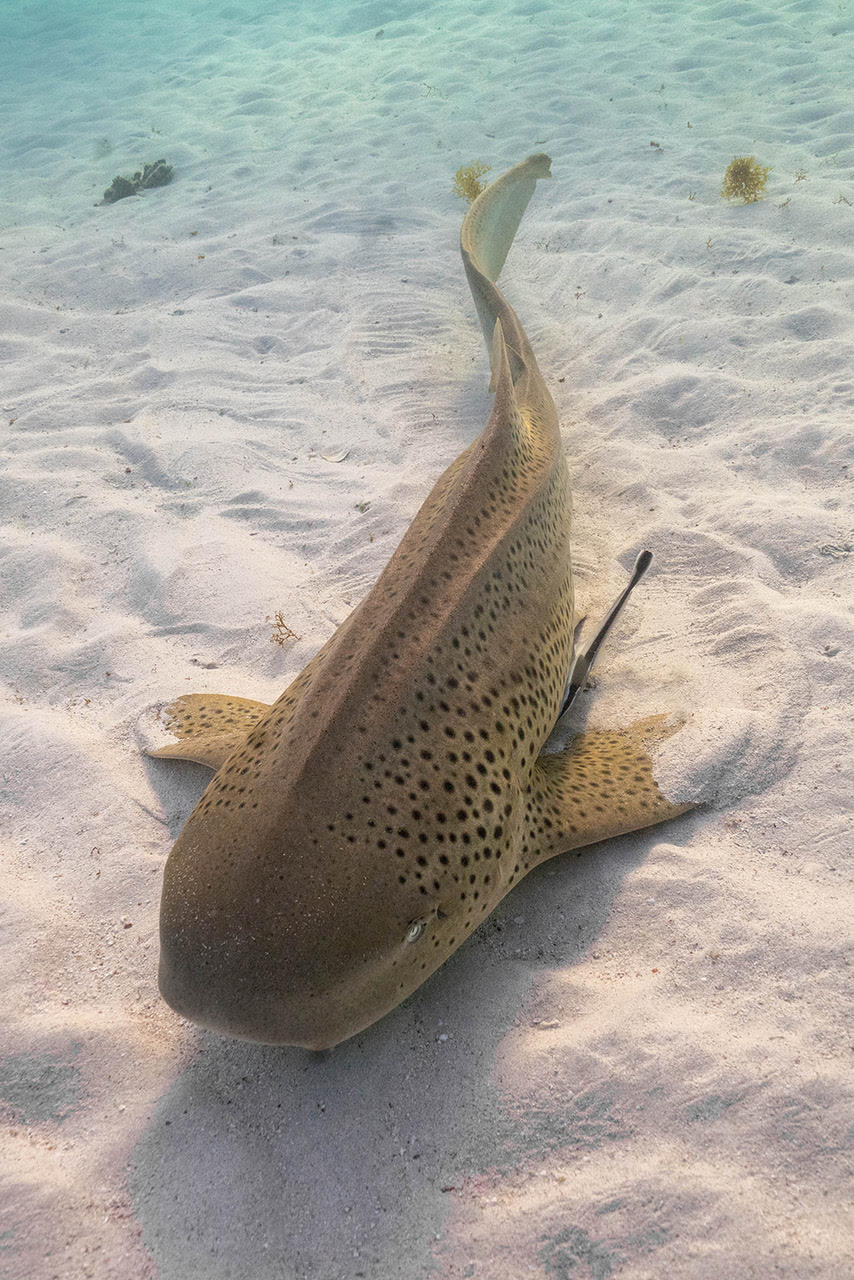
Most Ningaloo Coast Australia travel pages lead with the whale sharks. UNESCO says around 300 to 500 whale sharks gather at Ningaloo each year, which it calls the largest documented aggregation in the world.
UNESCO’s World Heritage listing also records:
A few official rules and dates shape any first trip. These points come from DBCA unless another source is named.
The most reliable Ningaloo Reef information on closures, alerts and fees comes from DBCA’s Explore Parks WA site, so check it close to your travel date. For tour times and what’s supplied, see View Ningaloo’s Book Now page and tour FAQ.
Ningaloo Reef WA is World Heritage-listed, ancient and close to the shore, so first-timers can see it from the beach, through a window or on a guided snorkel. Checking DBCA’s alerts and leaving a spare day are the two simplest ways to make the trip easier.
View Ningaloo is a locally run family business, proudly operating out of Exmouth since 2021. Owners Matt and Lucy run SubSea Explorer, WA’s only semi-submersible catamaran, and Turquoise Girle, a new power catamaran built for half-day snorkelling, both from Tantabiddi Boat Ramp. Not sure which tour suits your group? Get in touch with the View Ningaloo team.
Good to know before you go
View Ningaloo’s SubSea Explorer, a semi-submersible catamaran with 16 underwater windows, takes coral viewing tours out of Tantabiddi Boat Ramp, a short drive from Exmouth. Guests see the reef through the windows, so they don’t need to swim or get wet.
No. Ningaloo is a separate reef on Western Australia’s coast, while the Great Barrier Reef is off Queensland on the other side of the country. Ningaloo is a fringing reef, which means it sits near the coastline.
No. View Ningaloo’s FAQ explains that its tours explore the inside of the Ningaloo Reef, while whale sharks are found on the outside of the fringing reef. DBCA only allows licensed operators to run whale shark tours.
View Ningaloo’s FAQ suggests swimwear, a water bottle, a towel and a camera or phone. View Ningaloo supplies masks, snorkels and fins on SubSea Explorer tours, and its Turquoise Girle tours include wetsuits.
All sources were accessed in October 2026. Facts from these organisations are their findings. Information on View Ningaloo’s tours, boarding point and supplied gear comes from its own website. The family example in Step 3 is a labelled hypothetical, not a record of a real booking.
Lucy Tait is co-owner of View Ningaloo with Matt, and the couple have run the Exmouth reef tour business since 2021. Lucy and Matt designed Turquoise Girle, View Ningaloo’s power catamaran, purely for half-day snorkelling adventures, and also operate the semi-submersible SubSea Explorer from Tantabiddi Boat Ramp.