

The Tantabiddi Sanctuary Zone represents one of Ningaloo Reef’s most pristine and accessible marine environments, offering visitors an extraordinary window into Western Australia’s World Heritage underwater landscape. Located within the protected waters of Ningaloo Marine Park, this sanctuary zone provides unparalleled opportunities to experience ancient coral gardens and diverse marine life in their natural habitat.
What makes the Tantabiddi Sanctuary Zone truly special is its unique combination of accessibility and pristine marine ecosystems. Unlike many remote reef locations, Tantabiddi offers convenient boat ramp access whilst maintaining the untouched beauty that makes Ningaloo Reef internationally renowned.
Visitors can expect to encounter a living underwater museum where ancient coral formations create breathtaking underwater architecture, home to an incredible diversity of marine species. From graceful green sea turtles gliding through crystal-clear waters to colourful reef fish darting between coral formations, the sanctuary zone offers experiences that create lifelong memories.
The protected status of this marine sanctuary ensures that future generations will continue to enjoy these remarkable underwater landscapes, making every visit both a privilege and a responsibility to appreciate and protect this natural wonder.

The protected marine sanctuary status of Tantabiddi creates a unique environment where marine life thrives without the pressures of fishing or other extractive activities. This no-take zone designation allows fish populations to flourish, creating the abundant marine life that makes every visit extraordinary.
Unique ecosystem features distinguish Tantabiddi from other reef locations along the Ningaloo coast. The sanctuary zone encompasses diverse marine habitats including shallow coral gardens, deeper reef slopes, and sandy channels that support different species communities. This habitat diversity creates opportunities to encounter everything from tiny reef fish to large pelagic species.
Conservation importance extends beyond the immediate sanctuary boundaries, as Tantabiddi serves as a breeding and nursery area for many species that populate the broader Ningaloo ecosystem. The protected status allows natural processes to continue undisturbed, maintaining the ecological balance that supports the reef’s incredible biodiversity.
Pristine coral formations in the sanctuary zone showcase some of Ningaloo’s most spectacular underwater architecture. Ancient coral structures, some hundreds of years old, create complex three-dimensional habitats that support countless marine species. These formations represent living libraries of marine biodiversity that continue to grow and evolve.
The diverse marine habitats within the sanctuary zone include shallow coral gardens perfect for snorkelling, deeper reef areas accessible to experienced divers, and sandy areas where rays and other bottom-dwelling species can be observed. This habitat diversity ensures that every visit offers new discoveries and experiences.
The combination of protection, accessibility, and natural beauty makes Tantabiddi Sanctuary Zone a premier destination for experiencing Ningaloo’s marine wonders through Glass Bottom Boat Exmouth tours that provide comfortable access to these underwater treasures.

The Tantabiddi Sanctuary Zone is strategically located within the northern section of Ningaloo Marine Park, approximately 25 kilometres north of Exmouth town centre. This positioning places it at the heart of some of Ningaloo’s most pristine coral reef systems whilst maintaining convenient access for visitors.
The exact location encompasses the waters immediately surrounding Tantabiddi boat ramp, extending seaward to include both shallow coral gardens and deeper reef areas. The sanctuary zone boundaries are clearly marked and strictly enforced, ensuring the protection of this critical marine habitat.
Distance from Exmouth makes Tantabiddi easily accessible for day trips whilst feeling wonderfully remote once you’re on the water. The 25-minute drive from Exmouth follows sealed roads through spectacular coastal landscapes, building anticipation for the marine adventures ahead.
Tantabiddi boat ramp details include excellent facilities designed to support both commercial tour operators and private vessel owners. The concrete boat ramp provides reliable access in most weather conditions, whilst the adjacent jetty allows direct boarding for tour vessels without the need to get feet wet.
Access routes to Tantabiddi follow the Yardie Creek Road north from Exmouth, with clear signage directing visitors to the boat ramp facility. The sealed road ensures reliable access for all vehicle types, making the sanctuary zone accessible to visitors regardless of their transport arrangements.
Parking facilities at Tantabiddi include ample space for tour buses, private vehicles, and boat trailers. The well-maintained car park provides convenient access to the jetty and boat ramp facilities, with additional amenities including public toilets and picnic areas for visitors who wish to extend their stay.
The strategic location of Tantabiddi boat ramp makes it the perfect departure point for Ningaloo Reef Boat Tours Exmouth that explore the sanctuary zone’s incredible marine environments.
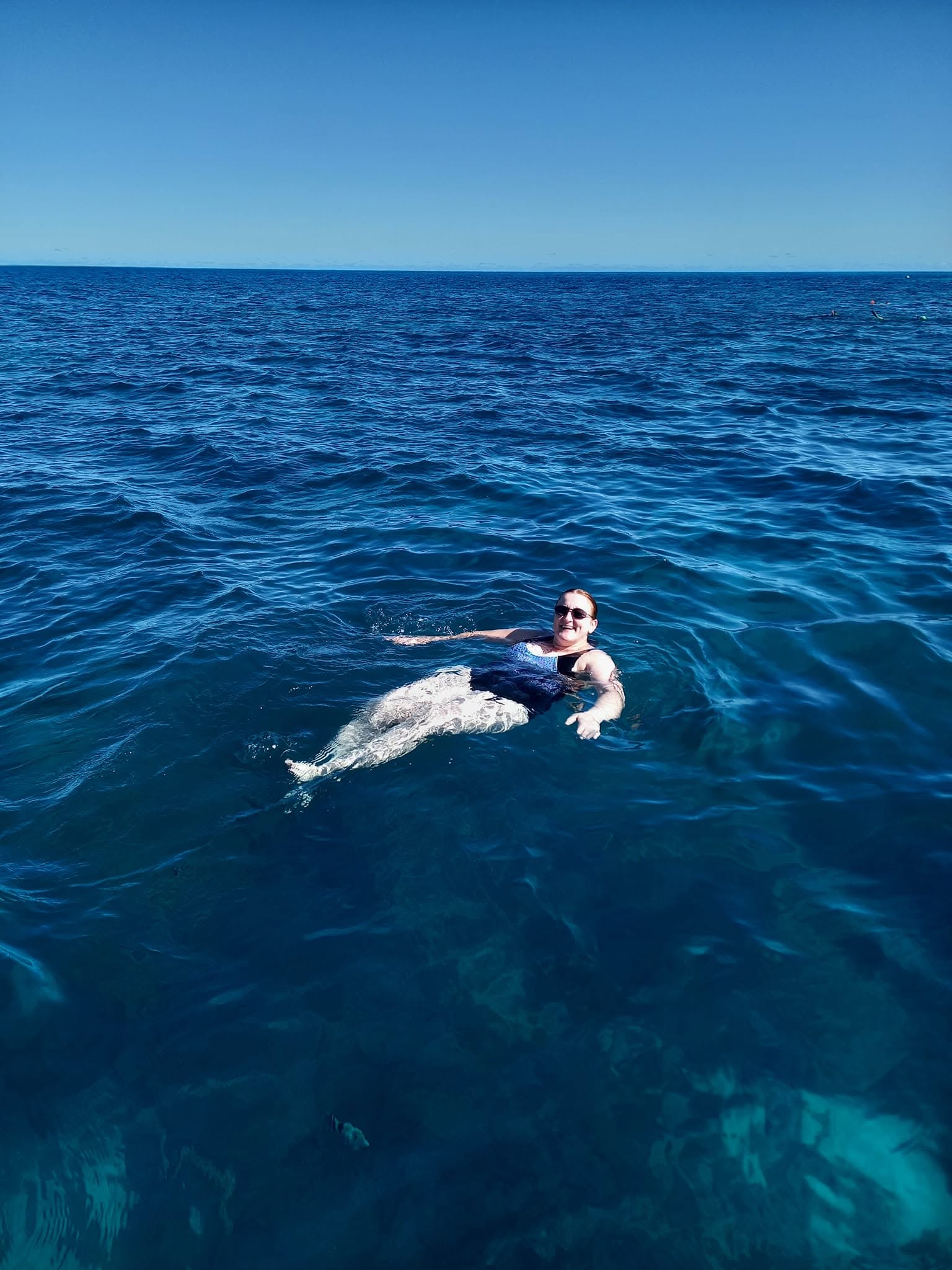
The ancient coral formations within Tantabiddi Sanctuary Zone represent some of the most spectacular underwater architecture found anywhere along the Ningaloo coast. These living structures, built over centuries by countless generations of coral polyps, create complex three-dimensional habitats that support extraordinary biodiversity.
Coral species diversity within the sanctuary zone includes both hard and soft coral varieties that create stunning underwater landscapes. Massive brain corals form the foundation structures, whilst delicate staghorn corals create intricate branching patterns that provide shelter for countless small fish species.
Hard coral structures dominate the shallow areas of the sanctuary zone, creating the classic coral garden environments that make Tantabiddi famous. These robust formations withstand the wave action and provide the structural foundation for the entire reef ecosystem. Plate corals, table corals, and massive boulder corals create diverse microhabitats within the larger reef structure.
Soft coral varieties add colour and movement to the underwater landscape, swaying gently in the current and creating dynamic visual displays. These corals, including sea fans, sea whips, and soft tree corals, provide additional habitat complexity whilst contributing to the reef’s stunning visual appeal.
Coral health and conservation within the sanctuary zone benefits from the protected status that eliminates fishing pressure and reduces other human impacts. The no-take zone designation allows natural processes to maintain coral health, whilst careful management of tourism activities ensures that visitor impacts remain minimal.
Best viewing areas within the sanctuary zone are easily accessible through professional semi submarine tours that provide comfortable underwater viewing without requiring snorkelling skills. The semi-submersible vessel’s large glass windows offer unparalleled views of the coral gardens from below the waterline.
Seasonal variations in coral appearance reflect the dynamic nature of these living ecosystems. Coral spawning events create spectacular underwater snowstorms, whilst seasonal changes in water temperature and light conditions affect coral colours and the species that inhabit the reef.

The protected waters of Tantabiddi Sanctuary Zone support an incredible diversity of marine life that represents the best of Ningaloo’s underwater biodiversity. The no-take zone status allows fish populations to flourish, creating the abundant marine life that makes every visit extraordinary.
Green Sea Turtles: These gentle giants are among the sanctuary zone’s most beloved residents, often encountered gracefully gliding through the coral gardens. Green sea turtles use the sanctuary zone as both feeding and resting areas, making them reliable sightings for visitors. Their calm demeanour around boats and snorkellers creates magical encounters that highlight the trust these ancient mariners place in the protected environment.
Reef Sharks: Several shark species call the sanctuary zone home, including white-tip reef sharks, grey reef sharks, and the occasional leopard shark. These apex predators play crucial roles in maintaining reef ecosystem balance whilst providing thrilling encounters for visitors. Their presence indicates the healthy state of the sanctuary zone’s marine ecosystem.
Stingrays: The sandy areas within the sanctuary zone provide perfect habitat for various ray species, including blue-spotted stingrays and larger reef rays. These graceful creatures often rest in the sand during the day, becoming active during feeding times when they create spectacular displays of underwater flight.
Queensland Grouper: These massive fish, some weighing over 100 kilograms, represent the sanctuary zone’s most impressive residents. Queensland groupers are naturally curious and often approach boats, creating unforgettable encounters with these gentle giants. Their presence demonstrates the benefits of marine protection, as these long-lived fish require decades to reach their impressive size.
Tropical Fish Species: The sanctuary zone supports incredible diversity of tropical fish species that create living kaleidoscopes of colour throughout the coral gardens. Schools of blue tangs, yellow snappers, and parrotfish create dynamic displays, whilst smaller species like angelfish, butterflyfish, and wrasses add intricate details to the underwater landscape.
Seasonal Marine Visitors: Different seasons bring various marine visitors to the sanctuary zone, including manta rays during certain times of year and occasional visits from whale sharks along the reef edge. These seasonal variations ensure that every visit offers potential for unique encounters.
Marine Ecosystem Interactions: The sanctuary zone provides excellent opportunities to observe natural marine ecosystem interactions, from cleaning stations where small fish service larger species to feeding behaviours and territorial displays that demonstrate the complex relationships within reef communities.
Wildlife Behaviour Patterns: Understanding marine life behaviour patterns enhances visitor experiences and contributes to conservation awareness. Morning tours often encounter different species than afternoon excursions, whilst seasonal changes affect breeding behaviours and feeding patterns that create varied wildlife viewing opportunities.
For a detailed look at each of these species — behaviour, best viewing times, and photography tips — see our full guide to marine life on Ningaloo Reef tours.

The sanctuary zone offers multiple exploration options designed to accommodate different interests, abilities, and comfort levels. Each approach provides unique perspectives on the underwater environment whilst ensuring minimal impact on the protected marine ecosystem.
Boat Tour Options: Professional boat tours provide the most comprehensive way to explore the sanctuary zone, offering expert guidance and comfortable access to the best viewing locations. Tours range from one-hour coral viewing experiences to half-day adventures that include multiple sites and activities.
Snorkelling Opportunities: For those comfortable in the water, snorkelling provides intimate encounters with the coral gardens and marine life. Professional tours supply all necessary equipment and provide safety supervision, making snorkelling accessible even for beginners.
Not sure which option suits your group? Our snorkelling vs glass-bottom boat tour comparison breaks down the differences by age, ability, and tour type.
Viewing Platforms: The unique semi-submersible vessel offers underwater viewing platforms that provide spectacular coral and marine life viewing without requiring water entry. Large glass windows positioned below the waterline create aquarium-like viewing experiences in the natural reef environment.
Guided Experiences: Professional marine biologists and experienced guides provide educational commentary that enhances understanding of the reef ecosystem. These expert insights transform sightseeing into learning experiences that deepen appreciation for marine conservation.
Self-Guided Exploration: Whilst professional tours are recommended for safety and educational value, experienced boaters with appropriate permits can explore designated areas of the sanctuary zone independently. However, strict regulations apply to protect the marine environment.
Safety Considerations: All sanctuary zone activities require adherence to safety protocols including appropriate sun protection, hydration, and awareness of marine conditions. Professional tour operators maintain comprehensive safety equipment and procedures to ensure visitor wellbeing.
Equipment Requirements: Professional tours provide all necessary equipment including snorkelling gear, safety equipment, and sun protection. Visitors need only bring swimwear, towels, and personal items for comfortable sanctuary zone exploration.
The Tantabiddi boat ramp facility serves as the primary access point for sanctuary zone exploration, providing excellent infrastructure that supports both commercial tour operations and private vessel access. The facility’s design prioritises both functionality and environmental protection.
Boat ramp facilities include a concrete ramp suitable for vessels up to moderate size, with adjacent jetty access that eliminates the need for beach launching. The ramp’s design ensures reliable access across various tide conditions, making it dependable for scheduled tour operations.
Launching procedures at Tantabiddi follow standard boat ramp protocols, with designated areas for vessel preparation and retrieval. The facility’s layout minimises congestion whilst ensuring safe operations for both commercial and private users.
Jetty access provides convenient boarding for tour vessels, allowing passengers to board directly from the jetty without getting feet wet. This accessibility feature makes sanctuary zone tours suitable for visitors of all ages and mobility levels. Find out more about the SubSea Explorer — WA’s only semi-submersible catamaran, purpose-built for Ningaloo Reef tours.
Amenities available at the facility include public toilets, picnic areas, and ample parking for various vehicle types. These facilities support extended visits and provide comfort for families and groups exploring the sanctuary zone.
Operating hours for the facility accommodate both early morning and late afternoon activities, though specific tour departure times vary with seasonal conditions and operator schedules. The facility remains accessible throughout daylight hours for permitted activities.
Booking requirements vary depending on the type of sanctuary zone exploration planned. Commercial tours require advance booking, particularly during peak seasons, whilst private vessel access requires appropriate permits and adherence to sanctuary zone regulations.
Group facilities at Tantabiddi can accommodate tour groups of various sizes, with infrastructure designed to handle the logistics of multiple vessel operations whilst maintaining environmental protection standards.
Marine park regulations governing the Tantabiddi Sanctuary Zone reflect comprehensive management strategies designed to protect this critical marine habitat whilst allowing sustainable tourism activities. These regulations balance conservation needs with visitor access.
No-take zone rules strictly prohibit all forms of fishing, collecting, or removal of marine life within the sanctuary boundaries. These regulations ensure that marine ecosystems can function naturally without human interference, allowing fish populations and coral communities to thrive.
Environmental protection measures extend beyond fishing restrictions to include guidelines for vessel operations, anchoring procedures, and visitor behaviour. These measures minimise human impacts whilst maintaining the sanctuary zone’s ecological integrity.
Visitor responsibilities include adherence to all sanctuary zone regulations, respectful wildlife viewing practices, and commitment to leaving no trace. Visitors play crucial roles in conservation by following guidelines and supporting sustainable tourism practices.
Sustainable tourism practices implemented by professional tour operators include environmental education, minimal impact procedures, and active participation in conservation monitoring. These practices ensure that tourism contributes to rather than detracts from conservation goals.
Conservation success stories from the sanctuary zone demonstrate the effectiveness of marine protection, with documented increases in fish populations and coral health since protection was implemented. These successes provide models for marine conservation worldwide.
The ongoing protection of Tantabiddi Sanctuary Zone requires continued support from visitors, tour operators, and management agencies working together to ensure this marine paradise remains pristine for future generations.

Seasonal weather patterns significantly influence sanctuary zone conditions and visitor experiences. Understanding these patterns helps visitors plan optimal timing for their marine adventures whilst ensuring the best possible wildlife viewing opportunities.
Marine life activity varies throughout the year, with different seasons offering unique wildlife viewing opportunities. Turtle nesting season brings increased turtle activity, whilst coral spawning events create spectacular underwater displays during specific times of year.
Water visibility conditions change seasonally, with calmer weather periods typically offering the clearest underwater viewing conditions. These periods provide optimal conditions for both coral viewing and marine life observation.
Tour availability fluctuates with seasonal demand and weather conditions, with peak tourist seasons offering more frequent departures but also larger crowds. Shoulder seasons often provide more intimate experiences with excellent conditions.
Crowd levels vary significantly between peak tourist seasons and quieter periods, affecting both the availability of tours and the overall experience quality. Planning visits during less crowded periods can enhance the sanctuary zone experience.
Optimal viewing conditions typically occur during calm weather periods when water clarity is highest and marine life is most active. Professional tour operators monitor conditions closely and adjust schedules to provide the best possible experiences.
Weather considerations include wind conditions that affect water clarity and comfort, seasonal rainfall patterns, and temperature variations that influence both visitor comfort and marine life behaviour patterns.
Successful sanctuary zone visits require thoughtful planning that considers individual interests, group composition, and desired experience levels. Proper planning ensures optimal experiences whilst supporting conservation goals.
What to bring includes essential items like swimwear, towels, sun protection, and cameras for capturing memories. Professional tours provide most equipment, but personal items enhance comfort and enjoyment.
Booking recommendations emphasise advance reservations, particularly during peak seasons when demand for sanctuary zone tours is highest. Early booking ensures preferred tour times and dates whilst avoiding disappointment.
Duration planning should consider individual interests and group needs, with options ranging from one-hour coral viewing tours to half-day adventures that include multiple activities and sites within the sanctuary zone.
Family-friendly options ensure that sanctuary zone exploration is accessible to visitors of all ages, with tour operators providing appropriate safety equipment and activities suitable for children and adults alike.
Accessibility considerations include facilities and tour options designed to accommodate visitors with various mobility levels, ensuring that sanctuary zone experiences are available to all interested visitors.
Local accommodation options in Exmouth provide convenient bases for sanctuary zone exploration, with various lodging types available to suit different budgets and preferences. Many accommodations offer tour booking services and local expertise.
Dining options in the Exmouth area complement sanctuary zone visits with fresh seafood and local specialities that celebrate the region’s marine heritage. Many restaurants cater to tour groups and provide convenient meal options.
The combination of professional expertise, pristine marine environments, and excellent facilities makes Tantabiddi Sanctuary Zone exploration through book glass bottom boat tours an unforgettable experience that creates lasting memories whilst supporting marine conservation efforts.

The Tantabiddi Sanctuary Zone represents the very best of Ningaloo’s marine environments, offering visitors unparalleled access to pristine coral gardens and diverse marine life within a protected setting. This remarkable sanctuary zone demonstrates the success of marine conservation whilst providing sustainable tourism opportunities that create lasting memories.
From ancient coral formations that serve as living underwater museums to the incredible diversity of marine life that calls these waters home, every aspect of the sanctuary zone contributes to experiences that inspire wonder and appreciation for our marine heritage.
The accessibility of Tantabiddi, combined with professional tour operations and excellent facilities, makes this marine paradise available to visitors of all ages and abilities. Whether viewing coral gardens through the unique perspective of a semi-submersible vessel or snorkelling amongst tropical fish, the sanctuary zone offers transformative experiences that connect people with the natural world.
Ready to explore this marine paradise? Book your Tantabiddi Sanctuary Zone adventure today and discover why this protected area represents the crown jewel of Ningaloo’s underwater treasures. Experience the wonder of pristine coral gardens and abundant marine life whilst supporting the conservation efforts that keep this sanctuary thriving for future generations.