

The pristine waters of Ningaloo Reef hold some of Australia’s most spectacular marine treasures, waiting to be discovered through the crystal-clear windows of a glass bottom boat tours. If you’re joining Ningaloo Reef Snorkelling Tours or Whale Shark Tours at Ningaloo Reef, this World Heritage-listed marine paradise offers visitors an extraordinary underwater experience, where ancient coral gardens teem with vibrant fish, graceful sea turtles glide through azure waters, and curious sharks patrol the reef’s edges.
If you’re peering through the large glass panels of WA’s only semi-submersible vessel or on Ningaloo Reef Snorkelling Tours amongst the coral formations, Ningaloo’s marine life encounters will leave you breathless with wonder. Widely regarded as offering the Best Ningaloo Reef Tours experience, every outing reveals new discoveries in this living underwater museum – from the tiniest nudibranchs to magnificent manta rays.
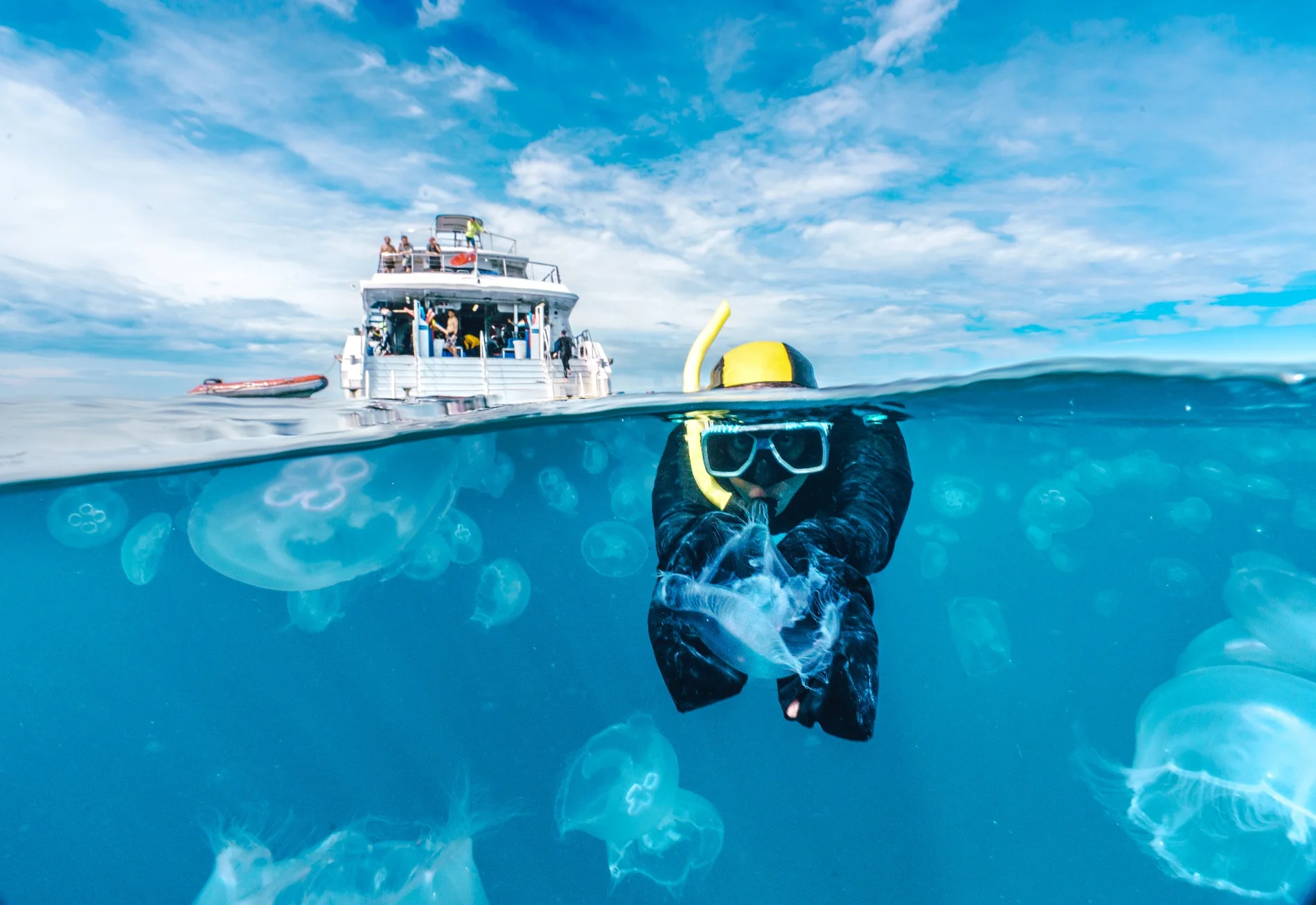
Ningaloo Reef’s World Heritage listing recognises it as one of Earth’s most significant marine ecosystems, stretching over 300 kilometres along Western Australia’s coast. Unlike many coral reefs that require lengthy boat journeys to reach, Ningaloo’s fringing reef structure means those joining Exmouth Tours to Ningaloo Reef can access this underwater wonderland within minutes of departing from Tantabiddi boat ramp – making it one of the most convenient Ningaloo Reef Tours available in Australia.
The reef’s unique characteristics create perfect conditions for marine biodiversity. Warm tropical waters from the north meet cooler southern currents, creating nutrient-rich conditions that support over 500 fish species, 300 coral species, and countless other marine creatures. The Tantabiddi Sanctuary area, where coral viewing tours operate, provides protected habitat that allows marine life to flourish undisturbed.
What makes Ningaloo truly special is its accessibility and pristine condition. The reef sits just metres from shore in many locations, yet remains largely untouched by mass tourism. This proximity means shorter travel times and calmer waters, perfect for families with young children or those who prefer a more comfortable marine viewing experience.
The reef’s coral gardens showcase both hard and soft coral formations, some dating back over a thousand years. These ancient structures provide shelter and feeding grounds for an incredible array of marine species, from microscopic plankton to whale sharks. The diversity is staggering – on Ningaloo Reef Snorkelling Tours or Ningaloo Reef Dive Tours, in a single session you might encounter dozens of different fish species, multiple turtle species, and various ray and shark species. The Ningaloo Reef to Range Tours route offers particularly diverse encounters across these varied coral zones.

Sea turtles are undoubtedly the most beloved residents of Ningaloo Reef, and encountering these ancient mariners ranks among the most magical experiences available on ningaloo reef turtle tours. Three species call these waters home, each with distinct characteristics and behaviours that fascinate visitors of all ages.
Green Turtles
Green turtles are the most commonly sighted species around Ningaloo, particularly in the shallow coral gardens where they graze on seagrass and algae. These gentle giants can grow up to 1.5 metres in length and weigh over 200 kilograms. Their peaceful nature makes them perfect subjects for underwater observation, often allowing boats to approach closely without disturbance.
Green turtles exhibit fascinating feeding behaviours, using their serrated jaws to crop seagrass with remarkable precision. During semi submarine tours, you’ll often observe them methodically grazing across the reef flats, completely absorbed in their underwater gardening activities.
Hawksbill Turtles
Distinguished by their pointed beaks and beautiful shell patterns, hawksbill turtles prefer the coral-rich areas of the reef. These smaller turtles, typically measuring around one metre in length, specialise in feeding on sponges and soft corals, playing a crucial role in maintaining reef health.
Hawksbill turtles are more elusive than their green cousins, often found tucked into coral crevices or swimming along reef edges. Their stunning shell patterns, featuring overlapping scales in amber and brown hues, make them particularly photogenic subjects for underwater enthusiasts.
Loggerhead Turtles
The largest of Ningaloo’s turtle species, loggerheads are occasional visitors to the reef, typically encountered in deeper waters. These powerful swimmers, with their massive heads and strong jaws, primarily feed on crustaceans and molluscs.
Best Viewing Times and Behaviour Patterns
Turtle encounters occur year-round at Ningaloo, though certain seasons offer enhanced viewing opportunities. During warmer months (October to April), turtles are more active and visible in shallow waters. Early morning and late afternoon tours often provide the best sighting opportunities, as turtles are most active during these cooler periods.
Understanding turtle behaviour enhances your viewing experience. Turtles must surface to breathe every 15-30 minutes, creating predictable opportunities for surface observations. When feeding, they become less aware of their surroundings, allowing for closer observation through glass-bottom viewing windows.
The nesting season (November to March) brings additional excitement, as female turtles come ashore on nearby beaches to lay their eggs. While boat tours don’t disturb nesting activities, the increased turtle activity in coastal waters during this period often results in more frequent sightings.
Turtles share Ningaloo’s waters with sharks, rays, groupers, and hundreds of tropical fish species — our guide to Ningaloo Reef marine life covers everything you’re likely to see on the same tour.
Want to know exactly where and when to find turtles? Our dedicated guide to spotting turtles on Ningaloo Reef covers the best locations, seasons, and expert tips.

White-tip and grey reef sharks patrol Ningaloo’s waters as the reef’s primary predators, maintaining the delicate balance of the marine ecosystem. These sleek hunters, typically measuring 1-2 metres in length, pose no threat to humans and often display curious behaviour around boats.
Reef sharks prefer the deeper channels and outer reef areas, where they hunt for fish and cephalopods. Their streamlined bodies and efficient swimming style make them perfectly adapted to reef environments. During Ningaloo Reef Boat Tours and glass bottom boat exmouth tours from Exmouth, these sharks often approach the vessel, providing spectacular viewing opportunities through the large underwater windows.
Perhaps the most photogenic of Ningaloo’s shark species, leopard sharks display distinctive spotted patterns that provide perfect camouflage against sandy bottoms. These docile sharks, growing up to 2 metres in length, spend much of their time resting on sandy patches between coral formations.
Leopard sharks are particularly popular with snorkellers due to their calm nature and tendency to remain stationary for extended periods. Their beautiful markings and graceful movements make them favourite subjects for underwater photography.
Masters of camouflage, wobbegong sharks blend seamlessly with coral and rocky surfaces, often remaining undetected until they move. These bottom-dwelling sharks, with their flattened bodies and ornate skin patterns, represent one of nature’s most effective camouflage systems.
Finding wobbegongs requires a trained eye, as they often rest motionless in coral crevices or under ledges. Experienced guides on ningaloo reef boat tours know the best locations to spot these cryptic predators.
The sandy areas between coral formations host various ray species, from large stingrays to smaller blue-spotted rays. These flattened fish glide gracefully across the seafloor, often burying themselves in sand with only their eyes visible.
Blue-spotted rays, with their vibrant blue markings on olive-brown bodies, are particularly common in shallow waters. These smaller rays, measuring around 30 centimetres across, often rest in sandy channels where snorkellers can observe them closely.
While less common than other ray species, manta ray encounters represent the pinnacle of Ningaloo marine experiences. These gentle giants, with wingspans reaching up to 7 metres, occasionally visit cleaning stations along the reef.
Manta rays feed on plankton and small fish, often performing graceful barrel rolls while feeding. Their intelligence and curious nature sometimes lead to extended interactions with boats, creating unforgettable memories for fortunate observers.
All shark and ray species at Ningaloo are harmless to humans when observed respectfully. These animals play crucial roles in maintaining reef health and display natural behaviours when not disturbed. Professional guides ensure safe viewing distances while maximising observation opportunities.

Among the most visible and important reef residents, parrotfish serve as the reef’s gardeners, constantly grazing on algae-covered coral surfaces. Their powerful beak-like mouths, formed from fused teeth, allow them to scrape algae from hard coral, producing the distinctive crunching sounds that provide the soundtrack to many reef encounters.
Parrotfish come in spectacular colour variations, from the brilliant blue and green of the steephead parrotfish to the vibrant oranges and pinks of the sunset parrotfish. These fish undergo remarkable colour transformations throughout their lives, with juveniles often displaying completely different patterns from adults.
The largest parrotfish species can reach over one metre in length, making them impressive subjects for observation through coral viewing tours. Their constant activity and bold colours make them easy to spot and identify, perfect for first-time reef visitors.
Angelfish represent some of the reef’s most elegant residents, with their disc-shaped bodies and flowing fins creating graceful silhouettes against the coral backdrop. Emperor angelfish, with their striking blue and yellow stripes, rank among the most photographed species at Ningaloo.
Juvenile angelfish often display dramatically different colour patterns from adults, a phenomenon that initially confused early marine biologists. Young emperor angelfish show concentric blue and white circles, while adults develop the characteristic striped pattern that makes them instantly recognisable.
These delicate fish, with their bright yellow bodies and distinctive black markings, flutter around coral formations like their terrestrial namesakes. Butterflyfish often travel in pairs, feeding on coral polyps and small invertebrates with their elongated snouts.
The reef butterflyfish, endemic to Western Australian waters, displays particularly striking patterns with its white body adorned with black chevron markings. These fish serve as excellent indicators of reef health, as they require pristine coral conditions to thrive.
The wrasse family includes some of Ningaloo’s most colourful and active fish species. Cleaner wrasse operate “cleaning stations” where larger fish queue patiently to have parasites removed, creating fascinating behavioural displays that visitors can observe during snorkelling tours.
Maori wrasse, the giants of the family, can grow to impressive sizes and often approach snorkellers with curious behaviour. Their distinctive hump-shaped heads and friendly demeanour make them popular with underwater photographers.
Schools of surgeonfish create some of the reef’s most spectacular displays, with hundreds of individuals moving in perfect synchronisation across coral formations. Powder blue tangs, with their electric blue bodies and yellow fins, form particularly striking aggregations.
Convict surgeonfish, displaying bold black and white stripes, often form massive schools that can number in the thousands. These feeding aggregations create underwater snowstorms of activity that mesmerise observers.
The reef’s gentle giants, Queensland groupers can reach enormous sizes and often display curious behaviour around boats and snorkellers. These massive fish, sometimes weighing over 100 kilograms, serve as the reef’s apex predators while maintaining surprisingly docile temperaments.
Coral trout, smaller members of the grouper family, display beautiful spotted patterns and often hover motionlessly near coral formations. Their ambush hunting style and striking appearance make them favourites among underwater observers.
Understanding fish behaviour enhances the viewing experience significantly. Many species follow predictable daily patterns, with some fish more active during morning hours while others emerge during afternoon periods. Feeding behaviours vary dramatically between species, from the constant grazing of parrotfish to the patient ambush tactics of groupers.
Cleaning stations provide excellent opportunities to observe multiple species interacting, as fish queue for parasite removal services. These underwater social hubs often attract diverse species, creating natural aquarium displays that fascinate visitors of all ages.

Ningaloo’s coral formations create the foundation for all marine life, providing shelter, feeding grounds, and nursery areas for countless species. These living structures, some over 1,000 years old, represent one of nature’s most complex and beautiful ecosystems, best appreciated through the large viewing windows of glass bottom boat tours.
The reef’s backbone consists of hard coral species that build the calcium carbonate structures we recognise as coral reefs. Staghorn corals create branching formations that provide shelter for small fish, while massive brain corals form rounded structures that can live for centuries.
Plate corals grow in overlapping formations that create underwater terraces, while table corals form flat platforms that serve as resting spots for various marine creatures. Each coral species has adapted to specific depth ranges and light conditions, creating distinct zones throughout the reef.
Adding movement and colour to the reef landscape, soft corals sway gently in the current, creating underwater gardens of extraordinary beauty. These corals lack the hard calcium carbonate skeletons of their hard coral cousins, instead relying on internal spicules for structure.
Soft corals display incredible colour variations, from deep purples and reds to bright oranges and yellows. Their polyps extend during feeding times, creating flower-like displays that add another dimension to the reef’s visual appeal.
These flower-like creatures, with their waving tentacles and vibrant colours, create some of the reef’s most photogenic displays. Anemones form symbiotic relationships with various fish species, most famously with anemonefish (clownfish) that live protected among the stinging tentacles.
Giant anemones can reach impressive sizes, with some specimens measuring over one metre across. Their tentacles contain stinging cells that capture small prey while providing protection for their fish partners.
Often called the “butterflies of the sea,” nudibranchs represent some of the reef’s most beautiful and diverse creatures. These shell-less molluscs display incredible colour patterns and bizarre body shapes that seem almost alien in their complexity.
Chromodoris nudibranchs showcase electric blue bodies with orange edges, while Phyllidia species display striking black and white patterns. Their small size requires careful observation, but their beauty rewards patient viewers with some of the reef’s most spectacular sights.
These echinoderms play crucial roles in reef ecology, with sea stars serving as predators and sea cucumbers acting as the reef’s cleanup crew. Blue sea stars, with their vibrant colouration, stand out against coral backgrounds, while crown-of-thorns sea stars, though less welcome, represent important parts of the ecosystem.
Sea cucumbers, despite their unglamorous appearance, perform vital functions by processing sediment and organic matter. Their various shapes and sizes, from small warty species to large smooth varieties, add diversity to the reef’s invertebrate community.
The relationships between coral and invertebrate species create complex webs of interdependence. Cleaner shrimp operate cleaning stations similar to cleaner fish, removing parasites from visiting fish clients. Coral polyps extend at night to feed on plankton, creating entirely different visual displays than those seen during daylight hours.
Understanding these relationships enhances appreciation for the reef’s complexity and fragility. Every species, from the smallest nudibranch to the largest coral formation, plays essential roles in maintaining the ecosystem’s health and balance.
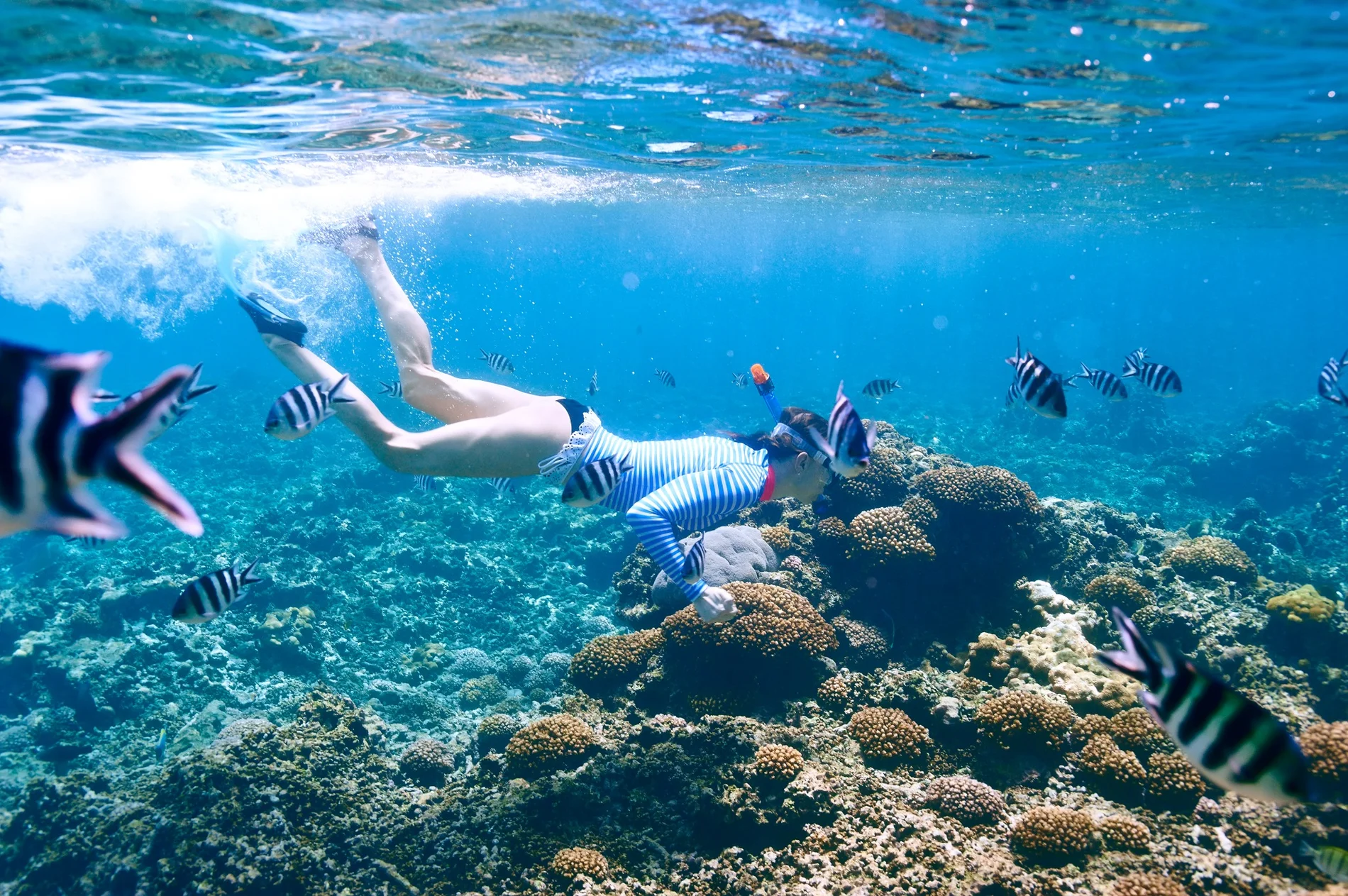
Ningaloo Reef’s marine life displays fascinating seasonal patterns that influence the timing and types of encounters visitors can expect throughout the year. Understanding these natural rhythms helps visitors plan their ningaloo reef tours for Ningaloo Reef Whale Shark Tours for optimal wildlife viewing – whether joining Exmouth Tours to Ningaloo Reef for the first time or returning for another season.
Turtle sightings occur year-round at Ningaloo, but seasonal variations affect behaviour and visibility. During the warmer months from October to April, turtles become more active in shallow waters, making them easier to spot during coral viewing tours. The nesting season, peaking between December and February, brings increased turtle activity as females prepare for and recover from nesting activities.
Green turtles show the most consistent presence throughout the year, while hawksbill turtles become more visible during warmer months when they move into shallower feeding areas. Water temperature plays a crucial role in turtle behaviour, with warmer conditions encouraging more surface activity and extended feeding periods.
Seasonal fish migrations create spectacular displays at certain times of year. Schools of trevally and mackerel arrive during warmer months, attracting larger predators and creating dynamic feeding scenarios. Coral spawning events, typically occurring after full moons in warmer months, trigger feeding frenzies that bring together diverse species in remarkable concentrations.
The cooler months from May to September often provide clearer water conditions, enhancing visibility for underwater observations. During this period, many fish species display breeding colours and behaviours, adding extra interest to reef encounters.
One of nature’s most spectacular displays occurs during coral spawning events, when entire reef sections release billions of eggs and sperm simultaneously. These events, triggered by water temperature, moon phases, and seasonal conditions, typically occur during warmer months and create underwater blizzards of reproductive activity.
Coral spawning attracts numerous fish species that feed on the nutrient-rich spawn, creating exceptional viewing opportunities for visitors fortunate enough to witness these natural phenomena.
Ningaloo’s seasonal weather patterns significantly influence marine life viewing conditions. The dry season (April to October) generally provides calmer seas and clearer water, ideal for glass-bottom boat tours and snorkelling activities. During this period, southeast trade winds create consistent conditions that marine life adapts to, often resulting in more predictable animal behaviour.
The wet season (November to March) brings warmer water temperatures that increase marine life activity but may also create more challenging sea conditions. However, this period often provides the most spectacular marine encounters, as increased water temperatures and nutrient levels support higher activity levels among all species.
Early morning tours often provide the best marine life encounters, as many species are most active during cooler parts of the day. Turtles frequently surface during morning hours, while fish feeding activity peaks before the heat of midday.
Late afternoon tours offer different advantages, with changing light conditions creating dramatic underwater scenes and some species becoming more active as temperatures cool. If you’re ready to experience these incredible encounters for yourself, book your Ningaloo Reef Snorkelling Tour or whale shark tour today.

Ningaloo Reef’s unique characteristics distinguish it from other world-famous reef systems, offering visitors experiences unavailable elsewhere. Understanding these differences helps appreciate why this World Heritage site deserves its protected status and international recognition.
Unlike barrier reefs that lie kilometres offshore, Ningaloo’s fringing reef structure means coral formations begin just metres from the beach. This accessibility allows glass bottom boat tours to reach spectacular coral gardens within minutes of departure, making it ideal for families with young children or visitors with limited time.
The fringing reef structure also creates diverse habitats within short distances. Shallow lagoons provide nursery areas for juvenile fish, while deeper channels support larger species. This habitat diversity means single tours can encounter an incredible range of marine life without lengthy travel times.
Ningaloo’s remote location and limited development have preserved its pristine condition. Unlike many coral reefs worldwide that show signs of degradation, Ningaloo maintains healthy coral coverage and diverse marine populations. This pristine state provides visitors with glimpses of how coral reefs appeared before human impacts became widespread.
What sets Ningaloo apart is that this standard of reef health has been maintained through active conservation and strictly managed tourism – ensuring every visit feels as extraordinary as the last.
Ningaloo hosts several endemic species found nowhere else on Earth, including the Ningaloo wrasse and various coral species adapted to Western Australian conditions. The reef also serves as a meeting point for tropical and temperate marine species, creating unusual species combinations not found elsewhere.
The seasonal presence of whale sharks, the world’s largest fish, makes Ningaloo one of the few places where these gentle giants can be reliably encountered. While semi-submarine tours focus on in-reef species, the presence of whale sharks in surrounding waters highlights the reef’s global significance.
Ningaloo represents one of the world’s most successful marine conservation stories. The establishment of marine sanctuary zones, combined with sustainable tourism practices, has maintained the reef’s health while allowing visitors to experience its wonders. This balance between conservation and access provides a model for reef management worldwide.
The reef’s protection extends beyond marine areas to include terrestrial environments, creating comprehensive ecosystem protection that supports both marine and terrestrial species. This holistic approach ensures long-term sustainability for future generations.

Capturing the beauty of Ningaloo’s marine life requires specific techniques and considerations, whether photographing through glass viewing windows or while snorkelling. These practical tips will help you document your underwater encounters effectively.
Ningaloo Reef’s pristine condition results from decades of dedicated conservation efforts and sustainable tourism practices. Understanding these conservation initiatives helps visitors appreciate their role in protecting this World Heritage marine environment for future generations. Learn more about View Ningaloo and how the SubSea Explorer was designed with reef protection in mind.
The Ningaloo Marine Park operates under strict regulations designed to protect marine life while allowing sustainable tourism. Sanctuary zones provide complete protection for critical habitats, while recreation zones permit activities like snorkelling tours under carefully managed conditions.
These regulations include restrictions on fishing, anchoring, and wildlife interactions that ensure minimal impact on marine ecosystems. Tour operators must follow specific guidelines regarding approach distances to marine life, group sizes, and operational procedures that prioritise conservation.
Responsible tour operators contribute to conservation through sustainable practices that minimise environmental impact. Ningaloo reef boat tours use mooring systems rather than anchors to prevent coral damage, while experienced guides ensure wildlife interactions remain respectful and non-intrusive.
Education plays a crucial role in sustainable tourism, with knowledgeable guides sharing information about marine ecology, conservation challenges, and visitor responsibilities. This educational component helps create conservation ambassadors who continue supporting marine protection long after their visits end.
Despite its protected status, Ningaloo faces various threats including climate change, coastal development, and increasing visitor numbers. Rising water temperatures pose risks to coral health, while coastal development can affect water quality and marine habitats.
Tourism pressure, while economically important, requires careful management to prevent degradation. Balancing access with protection remains an ongoing challenge that requires cooperation between government agencies, tour operators, and visitors.
Ningaloo’s conservation achievements include stable coral coverage, healthy fish populations, and successful protection of critical species like sea turtles. The reef’s designation as a World Heritage site recognises these conservation successes while ensuring continued protection.
Research programs monitor reef health and marine life populations, providing data that guides management decisions. These scientific efforts help identify emerging threats and develop strategies to address conservation challenges.
Every visitor plays a role in Ningaloo’s conservation through responsible behaviour and support for sustainable tourism operators. Simple actions like following guide instructions, avoiding contact with marine life, and choosing certified tour operators contribute significantly to conservation efforts.
Supporting local conservation initiatives and spreading awareness about Ningaloo’s importance helps build the community support necessary for long-term protection. Visitors become conservation advocates, sharing their experiences and encouraging others to visit responsibly.
The future of Ningaloo’s incredible marine life depends on continued conservation efforts and responsible tourism practices. By choosing sustainable tour operators and following conservation guidelines, visitors ensure that future generations can experience the same wonder and excitement that makes Ningaloo one of the world’s most spectacular marine destinations.
Through the crystal-clear windows of WA’s only semi-submersible vessel or while snorkelling in the pristine waters, every encounter with Ningaloo’s marine life creates lasting memories while supporting the conservation of this underwater paradise. The reef’s incredible diversity, from ancient sea turtles to vibrant coral gardens, represents one of nature’s most precious gifts – a gift that responsible tourism helps preserve for generations to come.